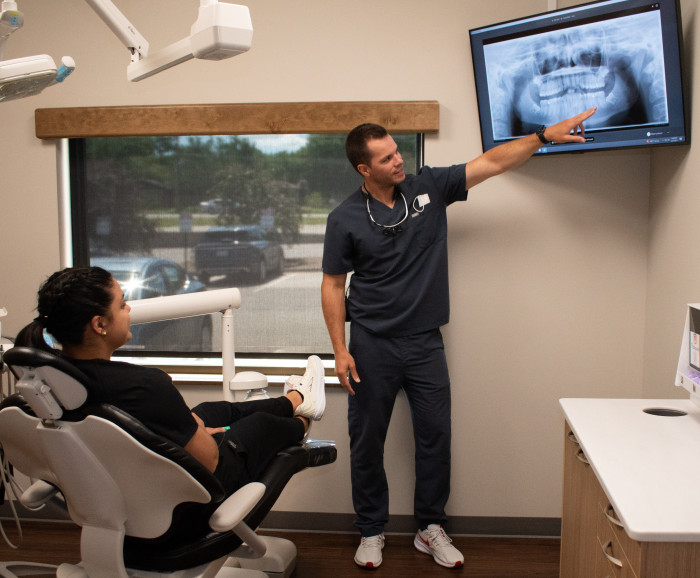
From jaw pain to mouth sores, oral health issues are important to address, so you can find relief faster and protect your smile for the long run. Here’s what you need to know about some of the most common dental concerns and when to call a dentist for help.
Why Does My Jaw Hurt?
Jaw pain can stem from many sources, but one of the most common is temporomandibular joint (TMJ) disorder. The TMJ connects your jawbone to your skull and helps you open, close and move your mouth. If this joint becomes strained or inflamed, you may feel pain when chewing, yawning or talking.
Other possible causes of jaw pain include:
- Teeth grinding or clenching (especially at night)
- Stress or tension in facial muscles
- Arthritis or injury in the jaw joint
- Sinus pressure or infection
What can help relieve jaw pain: Apply a cold compress to relieve soreness and try relaxation techniques like chin tucks or tongue circles to reduce tension. Avoid chewy or hard foods, and talk with your dentist if pain persists — they can evaluate your bite and may recommend a night guard or other treatment.
Why Do People Get Cold Sores?
Cold sores, also known as fever blisters, form on or around the lips. They’re caused by the herpes simplex virus (HSV-1), which can be transmitted through skin-to-skin contact or sharing personal items. The virus remains dormant in the body and can reactivate due to triggers like stress, illness, fatigue or sun exposure.
Cold sores are:
- Contagious until fully healed
- Often preceded by tingling or burning sensations
- Usually healed within 7-10 days
How to manage cold sores: Avoid touching or picking at cold sores, use lip balm with SPF and apply over-the-counter antiviral creams at the first sign of symptoms. If outbreaks are frequent, your dentist or physician may prescribe antiviral medication.
Why Do People Get Canker Sores?
Unlike cold sores, canker sores develop inside the mouth — on the tongue, gums or inner cheeks — and aren’t contagious. They often result from irritation, stress, minor injuries or as a reaction to certain foods.
Common triggers of canker sores include:
- Accidental cheek biting or irritation from dental appliances such as braces or ill-fitting mouthguards
- Spicy, acidic or citrus foods
- Stress or hormonal changes
- Vitamin deficiencies (especially B12, zinc or iron)
What to do for canker sores: Most canker sores heal on their own within one to two weeks. Rinsing with warm salt water can help ease discomfort, and over-the-counter numbing gels can provide temporary relief.
To help you heal faster, we can apply a medication, called debacterol, that treats canker sores and reduces symptoms more quickly. Contact us for the prescription treatment or if sores are unusually large, painful or recurring.
What Causes Bad Breath?
Persistent bad breath (halitosis) is usually linked to bacteria buildup in the mouth. Food particles, plaque and poor oral hygiene are common culprits, but there are other possible causes.
Common causes of bad breath include:
- Not brushing or flossing regularly
- Dry mouth or dehydration
- Gum disease or infection
- Smoking or tobacco use
- Certain foods, such as garlic and onions
Tips for fresh breath: Brush twice daily, floss once a day and clean your tongue. Stay hydrated, chew sugar-free gum and see us regularly for cleanings. If bad breath persists or is exceptionally pungent, it could indicate gum disease or another underlying issue that requires professional care.
What Causes Dry Mouth?
Dry mouth (xerostomia) happens when your salivary glands don’t produce enough saliva. Saliva is essential for washing away food particles, neutralizing acids and keeping your mouth comfortable.
Possible causes of dry mouth include:
- Certain medications such as antihistamines and antidepressants
- Dehydration
- Smoking or alcohol use
- Aging
- Health conditions such as diabetes
What can help with dry mouth: Sip water frequently, use sugar-free lozenges or gum to stimulate saliva, and limit caffeine and alcohol. If necessary, we can recommend saliva substitutes or adjustments to manage symptoms effectively.
What Causes Tooth Sensitivity?
If you feel a sharp twinge when enjoying hot, cold or sweet foods, you may have tooth sensitivity. This happens when enamel wears down or gums recede, exposing the softer dentin layer underneath.
Common reasons for tooth sensitivity include:
- Worn enamel from aggressive brushing or acidic foods
- Gum recession leading to exposed roots
- Cracked teeth or worn fillings
- Tooth decay or grinding
- Recent dental treatment, such as fillings, crowns or even deep cleanings
What to do about sensitive teeth: Consider switching to a toothpaste for sensitive teeth (ask us for guidance if needed), use a soft-bristled toothbrush and avoid brushing too hard. Your dentist can identify the cause and may suggest treatments such as fluoride varnish, bonding or sealants to protect sensitive areas.
Increased sensitivity following a dental procedure is quite common. If you have any concerns, please contact our office.
Healthy Mouth, Healthy You
Many oral health issues are preventable with good daily habits and regular checkups. If you’re experiencing any of these symptoms or notice changes in your mouth, our team at Family & Implant Dentistry is here to help. We’ll identify the cause, provide personalized treatment and keep your smile feeling fresh and painless. Call us today at 785-539-5949 to schedule an appointment and protect your oral health.